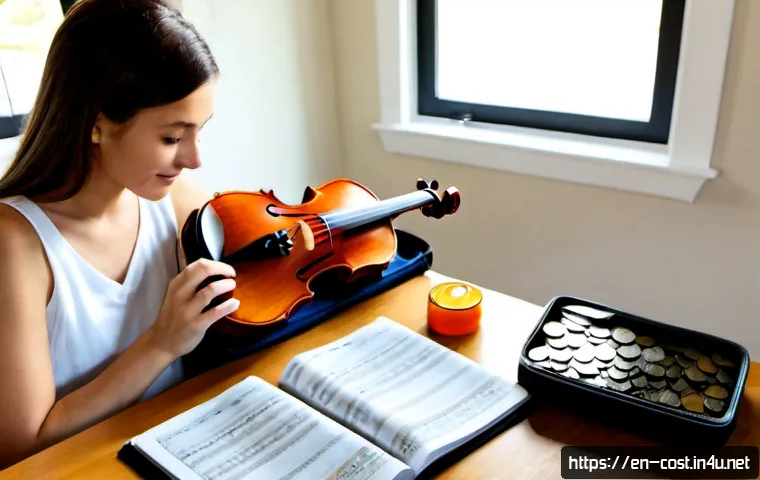
Music lesson costs depend on lesson length, teacher experience, location, format, and extra fees. Compare private, group, and online options using a realistic monthly budget and quality checklist.
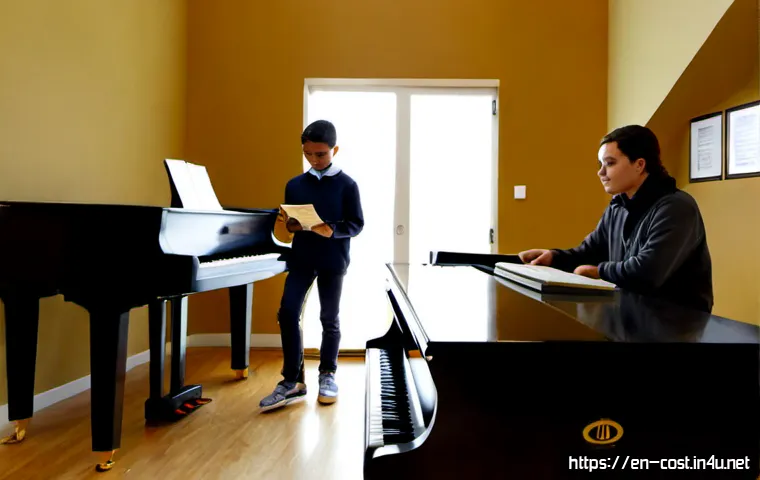
The best music lesson value is not always the lowest advertised session price. Compare the full monthly commitment, teaching format, and instructor fit before you enroll.
Private, group, and online music lessons can all work well when they match the learner’s goal and schedule. Parents may value clear feedback and reliable policies, while adult beginners may prefer flexible online music classes or a lower-pressure group setting. A practical comparison helps you choose a private music teacher, music school, or online platform without committing to a package that does not suit your household. Ask about every recurring cost, not just the lesson itself. The right option is the one you can attend, practice for, and continue comfortably.
At a Glance
- Best value depends on goals: private lessons offer focused feedback, while group and online formats may suit different budgets and schedules.
- Budget for the full experience: ask about registration, materials, instrument access, travel, missed lessons, and performances.
- Compare policies before paying: lesson length, payment packages, cancellation terms, and instructor availability can affect the real cost.
| Lesson Format | Typical Cost Structure | Flexibility | Feedback Level | Best Fit |
|---|---|---|---|---|
| Private music lessons | Usually priced per lesson or as a recurring package | Depends on teacher availability and makeup policies | High: instruction is tailored to one learner | Students who need individual correction or focused progress |
| Group music classes | Shared teaching cost, often structured by term or class block | Fixed class time is common | Shared: less individual attention during class | Children, social learners, and beginners exploring an instrument |
| Online music classes | May be offered as live lessons, subscriptions, or packages | Often strong, but varies by platform and instructor | Varies with live instruction, technology, and teacher format | Busy adults, remote learners, and those seeking wider teacher choice |
What You Are Really Paying for When You Book Music Lessons
A music lesson fee covers more than time with an instructor. You may be paying for personalized planning, feedback, studio space, class administration, a school’s program structure, or access to an online music learning platform. Price alone does not determine lesson quality. A less expensive option may be a good fit if the teaching style, schedule, and learning plan match the student.
The Fastest Way to Estimate a Realistic Monthly Learning Budget
Start with the expected number of lessons in a normal month. Then add costs that may repeat: books or digital materials, instrument rental or maintenance, travel, and any performance-related participation. If you are comparing a private music teacher with a school program, list each option in your local currency using the same time period. This makes a weekly lesson, a monthly package, and a term-based group class easier to compare fairly.
Keep the first budget simple: lesson cost + learning materials + instrument access + travel + optional events. You do not need to predict every future expense. You do need to know which items are required and which are optional before you commit.
Why the Advertised Lesson Price Is Not Always the Total Cost
An advertised session price may not include enrollment, books, sheet music, instrument use, recitals, recordings, or other school activities. Some providers may also have payment-package rules that affect what happens when a learner misses a lesson. These details are not automatically negative; they simply need to be visible in your comparison.
Ask for a written explanation of what is included. If a music school offers a package, check whether it includes a fixed number of lessons, whether unused lessons carry over, and whether changing instructors or class times is possible. Clear terms are part of good value.
Private, Group, or Online Lessons: Which Format Offers Better Value?
The better format depends on the student’s learning needs rather than a universal ranking. A child learning basic rhythm may enjoy a group setting. A learner preparing for an audition or exam may need more personal correction. An adult with irregular work hours may get more value from an online lesson schedule that is easier to maintain.
Private Instruction for Personalized Feedback and Faster Correction
Private music lessons give the instructor time to observe technique, listening skills, posture, repertoire, and practice habits for one person. This can be especially useful when a learner needs specific correction or wants a plan built around a personal goal. The trade-off is that private instruction may have a higher per-session cost than shared classes.
Before choosing a private music teacher, ask how lessons are structured. Find out whether the teacher gives practice guidance, adapts material to the student, and explains expectations between lessons. A good match is not only about credentials; it is also about communication, reliability, and whether the learner can follow the approach.
Group Classes for Social Learning and a Lower Per-Session Cost
Group music classes can offer a more social entry point. Learners may enjoy playing with others, following a shared routine, and seeing that beginners make similar mistakes. Because instruction is shared, the per-session cost may be lower than individual teaching, but the learner receives less one-to-one attention during class.
Check the class size, age or skill range, instrument requirements, and how students are placed. A group can be a strong choice for exploration, but it may be less suitable if a student needs frequent individual feedback. Ask how the instructor handles different learning speeds.
Online Lessons for Schedule Flexibility and Wider Teacher Choice
Online music classes can reduce travel and expand the choice of instructors beyond a local area. Live online lessons may still provide direct feedback, while self-paced platforms may suit learners who prefer to practice at their own pace. Features, instructor availability, and program access can change, so review current details directly with the provider.
Before enrolling, consider the practical setup. Does the learner have a dependable device, internet connection, and a quiet practice space? Is the lesson live, recorded, or both? Convenience is valuable only when the student can participate consistently.
Costs to Check Before You Commit to a Teacher or Music School
A short set of questions can prevent surprises later. Ask for the complete fee list and the relevant policies before paying for a lesson package. This is useful whether you are choosing a neighborhood music school, an independent instructor, or an online service.
Registration, Materials, Instrument, and Performance-Related Expenses
Ask whether there is a registration charge, required method books, sheet music, digital materials, instrument rental, or access fee. If the program includes performances, ask whether participation is optional and whether there are related costs. For a beginner, it is also worth confirming whether an instrument is supplied during class or must be arranged separately.
Do not assume a higher starting expense means better teaching, or that a low entry price will remain low. Separate required costs from optional opportunities so your family budget reflects the actual commitment.
Cancellation, Makeup Lesson, and Payment-Package Policies
Missed-lesson rules can matter as much as the schedule itself. Ask how much notice is required, whether makeup lessons are offered, and whether a teacher cancellation is handled differently from a student cancellation. Also ask whether payment is made lesson by lesson, monthly, by term, or through a larger package.
Families with changing schedules may prefer a provider with clear flexibility. Other learners may be comfortable with a fixed schedule if it helps create a routine. Either choice can work, but the policy should be understood before payment.
Trial Lessons and What to Evaluate During the First Session
A trial lesson can help you assess fit without guessing. During the session, notice whether instructions are understandable, whether the teacher responds to questions, and whether the learner leaves with a realistic next step. For children, observe whether the teacher communicates patiently and keeps expectations age-appropriate.
Do not judge the entire program from a single moment. Instead, ask whether the lesson format supports the learner’s goals and whether you understand the next costs and scheduling commitments.
Match the Lesson Plan to the Learner’s Goal and Schedule
The right lesson plan is one that fits into real life. An ambitious program can become poor value if practice time, transport, or family routines make regular attendance difficult. Begin with the learner’s current goal, then choose the format and frequency that support it.

Choosing for a Child Who Is Still Exploring Instruments
For a child who has not yet settled on an instrument, avoid treating the first enrollment as a permanent decision. A short introductory arrangement, an age-appropriate group class, or a trial lesson may help reveal interest before you make larger instrument purchases. Ask what equipment is needed at home and whether the program allows a reasonable adjustment period.
Choosing for an Adult Beginner With Limited Practice Time
Adult beginners often benefit from a simple plan that respects limited practice time. Online music classes may be convenient, but a private instructor can also tailor material to a realistic routine. Be honest about the time available between lessons. A manageable schedule is usually more useful than a demanding plan that becomes difficult to continue.
When More Frequent Lessons May Be Worth the Additional Spend
More frequent lessons may make sense when a student needs regular correction, is working toward a specific performance goal, or finds it hard to stay on track alone. However, frequency should not be chosen automatically. If the learner has little time to practice, a different format or schedule may offer better value. Discuss the purpose of added sessions with the instructor rather than assuming more is always better.
Common Budget Mistakes When Starting Music Instruction
Most budgeting problems come from incomplete comparisons, not from choosing the “wrong” type of lesson. A clear checklist helps you compare options without overcommitting early.
Buying an Expensive Instrument Before Confirming Long-Term Interest
A new learner may change instruments, interests, or learning goals. Before making a major purchase, ask what level of instrument is appropriate for the current stage and whether rental or temporary access is available. The best first choice is often the one that supports learning without creating unnecessary pressure to continue.
Comparing Session Prices Without Comparing Lesson Length
Two lesson prices are not directly comparable if the lesson length, format, or included support differs. Compare the full structure: individual or group instruction, live or self-paced online content, materials included, and how often the learner can receive feedback. Compare like with like before deciding on cost.
Overlooking Travel Time and Missed-Lesson Policies
Travel time can change the value of an in-person program, especially for busy families. A nearby music school may be easier to maintain than a more distant option, while online lessons may reduce travel but require a reliable home setup. Review missed-lesson policies before enrollment so an unavoidable schedule change does not become a surprise expense.
Selection Criteria and Comparison Summary
Use this final checklist when comparing teachers, schools, and online music services:
- Goal: Is the learner exploring, building a hobby, preparing for an exam, or working toward performance?
- Total commitment: What are the lesson, material, instrument, travel, and optional event costs?
- Format: Does the learner need personal feedback, social learning, or schedule flexibility?
- Policies: Are cancellation, makeup, payment-package, and enrollment terms easy to understand?
- Instructor fit: Is the teaching style clear, encouraging, and appropriate for the learner?
Prioritize lower cost when the learner is simply exploring and the program still meets basic needs. Prioritize convenience when attendance is the main barrier. Prioritize instructor fit and individualized feedback when progress depends on regular correction. Check lesson policies and package terms on the provider’s official page before choosing.
Final Thoughts
Music lesson costs are easier to manage when you look beyond the first advertised price. Compare the teaching format, recurring expenses, policies, and the learner’s real schedule. Private, group, and online options each have strengths, and none is automatically the best choice for every student. A clear conversation before enrollment can help you choose a program you can sustain.
Useful Information to Keep in Mind
Ask for written details: Fee and cancellation information is easier to compare when it is documented.
Consider a trial first: A first session can reveal whether the schedule and teaching style feel practical.
Review the plan regularly: A learner’s goals, instrument needs, and availability may change over time.
Important Notes
Exact music lesson rates, enrollment fees, teacher qualifications, instrument rental costs, package discounts, and recital charges vary by provider and location. Online platform features and instructor availability may also change. Confirm current terms, total costs, lesson length, and policies directly with the teacher, school, or service before enrolling. Lesson quality cannot be determined by price alone.
Frequently Asked Questions
Q1. How much should I budget each month for music lessons?
A1. Build a monthly estimate using the expected number of lessons, then add required materials, instrument access, travel, and any known program fees. Since local rates and provider terms vary, request the full cost details before setting a final budget.
Q2. Are private music lessons worth the higher cost compared with group classes?
A2. Private lessons may be worth it when a learner benefits from individualized feedback, tailored pacing, or regular technique correction. Group classes can be a better fit for social learners, beginners, and families who prefer a lower per-session cost. The best value depends on the learner’s goal and consistency.
Q3. What extra fees should I ask about before enrolling in a music school?
A3. Ask about registration, books and materials, instrument rental or access, performance-related expenses, payment packages, cancellation terms, and makeup lesson rules. Also confirm which items are required and which are optional.