Cosplay has exploded in popularity recently, with conventions and online communities buzzing more than ever. Whether you’re a seasoned cosplayer or just starting out, one thing is clear: crafting the perfect costume can quickly become a costly adventure.

From materials to intricate accessories, budgeting smartly is essential to avoid breaking the bank. In this post, I’ll share practical tips and insights on how to plan your cosplay expenses without sacrificing quality or creativity.
Let’s dive into breaking down those costs so your next epic outfit is both stunning and wallet-friendly!
Choosing Materials That Balance Cost and Quality
Understanding Fabric Options
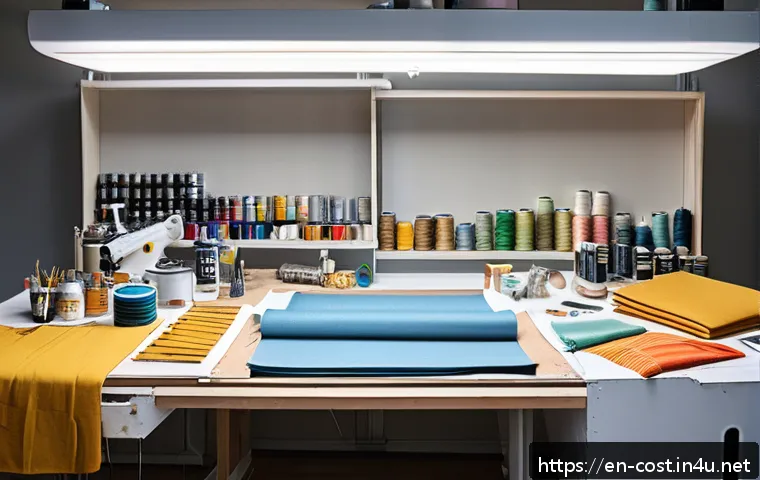
When it comes to cosplay, fabric choice can make or break your costume’s look and feel. I’ve found that while high-end fabrics like silk or specialty synthetics look amazing, they tend to skyrocket your budget.
Instead, scouting for quality polyester blends or cotton sateen can give you a nice balance of durability and aesthetic without the hefty price tag. Also, local fabric stores often have clearance sections where you can snag great deals if you keep an eye out.
From my experience, buying in bulk or yardage for multiple projects can save you even more in the long run.
Repurposing and Upcycling Materials
One of the best money-saving tricks I’ve picked up over time is repurposing. Whether it’s using thrifted clothes as a base or transforming household items like belts and buttons into costume accessories, the possibilities are endless.
Not only does this reduce cost, but it also adds a unique, personalized touch to your cosplay. For example, I once turned an old leather jacket into armor pieces by adding foam and paint layers—turned out way better than buying pre-made parts!
Where to Source Accessories Without Overpaying
Accessories can easily become the sneaky budget killers, especially if you start browsing specialty shops. My advice is to check out craft stores, online marketplaces, and even hardware stores.
Things like foam sheets, hot glue, and specialty paints can be found at reasonable prices if you shop smart. Sometimes, I’ve even found cosplay-specific accessory kits on sale during holiday deals, which can be a jackpot for saving money and time.
Strategic Planning to Avoid Unexpected Costs
Breaking Down Your Budget Early
Before diving into fabric swatches or accessory hunts, I always sketch out a rough budget. Breaking down each piece of your costume—from wig to shoes—helps prevent those “surprise” expenses that sneak up on you later.
Using a spreadsheet or budgeting app, I list estimated costs and track actual spending to stay on course. This way, I can shift funds from one area to another if needed without compromising the whole outfit.
Timing Purchases Around Sales and Events
Timing is everything when you want to stretch your cosplay budget. I’ve learned to wait for seasonal sales like Black Friday or end-of-season clearances to stock up on expensive items like wigs or specialty fabrics.
Signing up for newsletters from cosplay supply stores also alerts me to flash sales or discount codes. Planning your cosplay build timeline around these sales can save hundreds of dollars, which is always a win.
Allocating Funds for Last-Minute Fixes
No matter how much you plan, costumes sometimes need last-minute tweaks or repairs. Setting aside a small contingency fund—about 10% of your total budget—can cover unexpected needs like extra glue, fabric patches, or replacement parts.
I can’t tell you how many times that little buffer saved me from a costume crisis just days before a convention.
DIY Techniques That Cut Costs Without Sacrificing Detail
Mastering Foam Crafting and Painting
Foam crafting is a game-changer in cosplay for creating armor and props on a budget. I started with basic EVA foam sheets and a heat gun, and with some practice, I was able to replicate intricate armor patterns that otherwise would’ve cost a fortune.
Painting techniques like dry brushing and layering acrylics add realistic textures without needing expensive materials. It’s a skill worth investing time in if you want professional-looking results at a fraction of the price.
Sewing Hacks for Efficiency and Savings
Not a pro seamstress? Neither was I at first, but learning a few sewing hacks saved me both money and frustration. Using stretchy fabrics that don’t require lining or complicated finishes cuts down time and materials.
Also, instead of buying expensive patterns, modifying thrift store garments or using free online tutorials helped me achieve the right fit and style. Sometimes, a simple hand-stitched detail can elevate the costume without breaking the bank.
Creative Use of Makeup and Wigs
Rather than splurging on custom wigs or professional face paint, I’ve experimented with styling cheaper wigs and using drugstore makeup products for character-accurate looks.
Adding layers, trimming, or even dyeing wigs at home can transform a basic piece into something unique. Similarly, practicing simple makeup techniques like contouring or using colored eyeliners can bring your character to life without expensive kits.
Comparing Cost Factors Across Common Costume Elements
Analyzing What Drives Up Expenses
Some costume parts naturally demand more investment, like elaborate armor or specialized props. Knowing where your money goes helps prioritize spending.
For instance, investing in a durable wig might be more important than premium fabric if your character is known for their hairstyle. Conversely, a simple costume with complex accessories needs careful accessory budgeting.
I always weigh these elements against my cosplay goals to make informed decisions.
Balancing Functionality and Aesthetics
Comfort and wearability often get overlooked when budgeting. Cheaper materials might save money upfront but can be uncomfortable or fragile, leading to extra costs down the line.
From personal experience, spending a bit more on breathable fabrics or sturdy shoe modifications pays off during long convention days. It’s about finding that sweet spot where your costume looks great and you can enjoy wearing it without constant fixes.
Table: Estimated Average Costs for Key Cosplay Components
| Component | Low-End Cost | Mid-Range Cost | High-End Cost |
|---|---|---|---|
| Fabric (per yard) | $5 – $10 | $15 – $25 | $30+ |
| Wigs | $20 – $40 | $50 – $80 | $100+ |
| Foam & Craft Supplies | $10 – $20 | $25 – $50 | $60+ |
| Accessories & Props | $10 – $30 | $40 – $70 | $80+ |
| Makeup & Paints | $10 – $25 | $30 – $50 | $60+ |
Leveraging Online Resources to Save Money
Utilizing Tutorials and Free Patterns
The internet is a goldmine for free cosplay resources. I’ve saved hundreds by following detailed tutorials and free sewing patterns shared by experienced cosplayers.
YouTube channels, cosplay forums, and social media groups offer step-by-step guides that make building complex costumes manageable even on a tight budget.
Plus, seeing others’ trial and error helps avoid costly mistakes.
Buying and Trading Within Communities
Many cosplay communities have swap meets or online marketplaces where you can buy, sell, or trade costume parts. Joining these groups not only helps you find affordable materials but also connects you with others who can offer advice or lend tools.
I once traded an extra wig for a set of armor pieces, which was a total win-win and saved me a lot of money.
Tracking Deals with Apps and Alerts
Setting up alerts on deal-tracking apps or websites like Honey or CamelCamelCamel can notify you when cosplay supplies drop in price. I’ve caught some fantastic deals on wigs and specialty paints just by having these alerts active.
It’s a low-effort way to ensure you never miss a sale and can stock up at the right time without impulse buying.
Making Smart Investments That Pay Off Over Time
Buying Quality Tools for Repeated Use
Instead of renting or borrowing, investing in a good sewing machine, heat gun, or cutting tools may seem expensive upfront but saves money in the long haul.
I still remember the frustration of struggling with a cheap glue gun that barely melted adhesive properly. Upgrading to reliable tools improved my workflow and gave better results, reducing wasted materials and time.
Choosing Versatile Pieces for Multiple Cosplays
When possible, I pick costume elements that can be reused or adapted for different characters. Items like boots, belts, or basic armor parts can often be repainted or restyled.
This approach not only cuts down future expenses but also encourages creativity. It’s like building a cosplay toolkit that grows with your hobby.
Investing in Skill Development
Lastly, honing your skills through workshops or online courses can be a money saver. Learning advanced sewing, painting, or prop-making techniques means you can tackle more complex builds yourself instead of paying for commissions.
Over time, this pays dividends in both quality and budget control, making your cosplay journey more rewarding and affordable.
In Conclusion
Balancing cost and quality in cosplay requires thoughtful planning and creativity. By choosing the right materials, leveraging DIY techniques, and timing purchases wisely, you can craft impressive costumes without overspending. Remember, investing in skills and versatile tools pays off in the long run, making your cosplay experience both enjoyable and budget-friendly.
Helpful Tips to Keep in Mind
1. Always set a clear budget before starting your cosplay project to avoid unexpected expenses.
2. Look for sales and discount events to buy expensive materials at reduced prices.
3. Use upcycling and repurposing to add unique touches while saving money.
4. Take advantage of free online tutorials and community trading to enhance your skills and resources.
5. Invest in quality tools and reusable costume pieces to maximize your cosplay potential over time.
Key Takeaways
Effective cosplay budgeting blends smart material choices, strategic planning, and skill development. Prioritize comfort and durability alongside aesthetics to ensure your costume is wearable for long periods. Keep a contingency fund for last-minute fixes to avoid stress near events. Lastly, using community resources and staying patient for deals can significantly reduce your overall costs while improving the quality of your final look.
Frequently Asked Questions (FAQ) 📖
Q: How can I create a high-quality cosplay costume without spending a fortune?
A: The key is smart planning and prioritizing your spending. Start by researching which parts of your costume need high-quality materials for durability and visual impact, like fabric or armor pieces, and where you can save by using cheaper alternatives or DIY methods.
For example, instead of buying a pre-made wig, styling a budget wig yourself can cut costs significantly. Also, consider repurposing items you already own or shopping at thrift stores.
I found that breaking down the costume into components and assigning a budget to each helped me avoid impulse buys and kept the overall cost manageable without sacrificing the look.
Q: What are the best ways to budget for cosplay accessories and props?
A: Accessories and props can sneakily inflate your expenses, so it’s important to plan ahead. I usually start by listing every accessory needed and then researching materials that balance cost and quality—foam, thermoplastics like Worbla, and lightweight woods are popular and affordable options.
Buying materials in bulk or from local craft stores often saves money compared to specialty cosplay shops. Additionally, making props yourself using tutorials online not only reduces costs but also adds a personal touch.
Just remember to factor in the time investment as well, since sometimes paying a little extra for complex parts can be worth it.
Q: How do experienced cosplayers manage unexpected costs during their projects?
A: Unexpected expenses are almost guaranteed, especially for complex costumes. Experienced cosplayers, including myself, always build a 10-20% buffer into their budgets to cover last-minute fixes or extra supplies.
Another tip is to keep a small stash of general crafting materials like glue, paint, and basic sewing supplies on hand to avoid emergency trips to the store.
It also helps to connect with local cosplay communities or online groups where you can swap materials or borrow tools. That network can be a lifesaver when you hit a snag without blowing your budget.