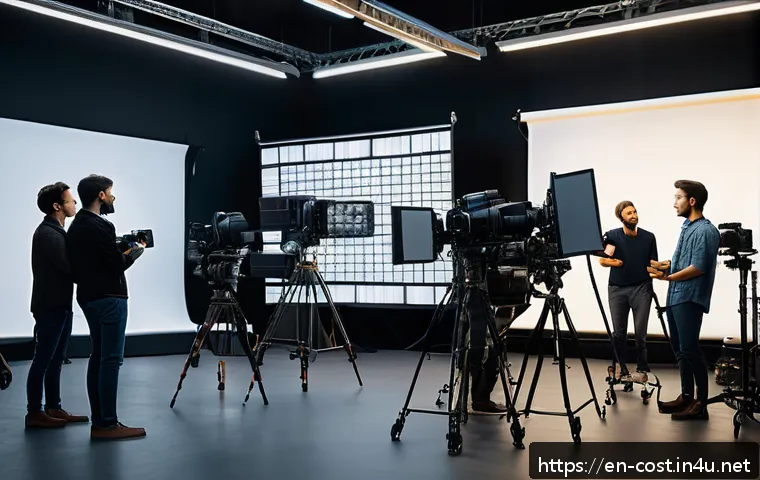
With video content dominating digital marketing strategies more than ever, understanding the true costs behind production is crucial. Whether you’re a small business owner or a creative professional, knowing how to budget effectively can save you from unexpected expenses down the line.
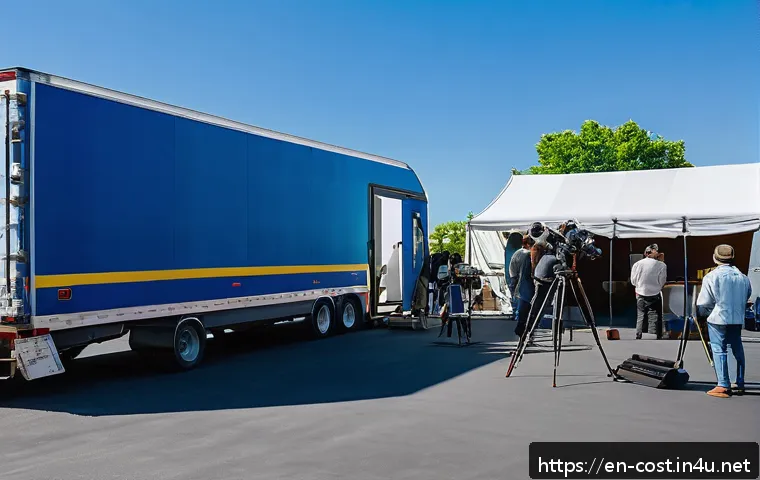
Lately, rising equipment prices and labor shortages have made budgeting even more complex, making this topic timely and essential. In this post, we’ll break down the key factors that influence video production costs, helping you plan smarter and invest wisely.
Stick around to uncover insights that can transform how you approach your next video project.
Breaking Down Creative and Technical Expenses
Pre-Production Planning and Its Hidden Costs
Pre-production is often underestimated, yet it forms the backbone of any successful video project. From scripting and storyboarding to location scouting and casting, these early steps require time, creative energy, and often specialized skills.
When budgeting, don’t overlook costs such as hiring a scriptwriter or renting space for rehearsals. I once worked on a small project where skipping detailed storyboarding led to costly reshoots, which taught me that investing more upfront can save headaches later.
Additionally, some clients may want multiple script revisions, so allocate funds accordingly to avoid surprises.
Equipment Rental vs. Purchase: Weighing the Options
The debate between renting and buying gear is a classic one. Cameras, lighting, and sound equipment can easily push your budget into the thousands. Renting offers flexibility and access to high-end equipment without a massive upfront cost, which is ideal for short-term projects or one-off shoots.
On the other hand, if you produce videos regularly, buying could be more cost-effective over time. Keep in mind recent inflation and supply chain issues have driven equipment prices up, so always compare rental rates with purchase prices.
Personally, renting high-quality lenses and lighting kits has given me access to better production value without breaking the bank.
Post-Production: The Unsung Budget Factor
Editing, color grading, motion graphics, and sound design are critical to polishing your footage, yet they often sneak up as unexpected expenses. Hiring a professional editor can be pricey, but their expertise transforms raw footage into a compelling story.
Sometimes, clients underestimate how long post-production takes, especially when revisions pile up. For instance, a project I handled required extensive color correction to match shots from different cameras, which extended the timeline and budget.
It’s wise to include a contingency margin in your budget specifically for post-production tweaks and creative iterations.
Labor Costs: Navigating Industry Challenges
Understanding Crew Roles and Rates
Every video production demands a team, from directors and cinematographers to grips and production assistants. Each role has a distinct rate, often influenced by experience and location.
For example, hiring a seasoned director in Los Angeles will cost significantly more than a similar role in a smaller market. When I first started, I learned that clearly defining each crew member’s responsibilities avoids overlapping duties and inflated costs.
Don’t forget to factor in overtime rates or union fees if applicable, as these can quickly add up.
The Impact of Labor Shortages on Pricing
The current labor market is tight, with many skilled professionals in high demand. This scarcity means rates have risen, and availability can be limited, forcing projects to either pay premiums or settle for less experienced talent.
I recently faced this on a commercial shoot where last-minute crew cancellations meant paying double for replacements. Planning early and building strong relationships with reliable freelancers can mitigate these challenges and keep your budget more predictable.
Freelancers vs. Agencies: Which Fits Your Budget?
Choosing between hiring freelancers or going through an agency is another cost consideration. Agencies provide convenience and vetted talent but often charge higher fees.
Freelancers may offer competitive rates and flexibility but require more management effort. From my experience, smaller projects benefit from freelancers’ agility, while larger productions might justify agency costs for smoother coordination.
Either way, transparent contracts and clear deliverables are essential to avoid hidden labor expenses.
Location and Set Design: Creating the Perfect Backdrop
Location Fees and Permits
Shooting on location can add authenticity but comes with a price tag. Popular city spots or iconic landmarks often require permits, which vary widely in cost and application complexity.
For example, filming in New York City can mean permit fees ranging from a few hundred to several thousand dollars, depending on the scale and impact on public spaces.
I’ve had projects delayed due to permit processing times, so early application is crucial. Also, consider insurance requirements tied to location shoots, which can affect overall costs.
Building Sets and Props
When the perfect location doesn’t exist, set construction becomes necessary. Designing and building sets requires materials, labor, and sometimes specialized craftsmen.
This is where budgets can spiral quickly, especially if custom props or intricate details are involved. I once worked on a music video where a simple but unique set piece doubled the budget but made a huge visual impact.
Balancing creativity with practicality is key—sometimes clever set dressing or digital effects can substitute for expensive physical builds.
Logistics and Transportation Costs
Moving cast, crew, and equipment to and from locations is often an overlooked budget line. Vehicle rentals, fuel, parking fees, and even accommodation for distant shoots add up.
A shoot I coordinated in a remote area required overnight lodging and multiple trips, which significantly increased expenses. Planning efficient schedules and consolidating travel can reduce these costs.
Don’t forget to include contingency for unexpected delays or equipment transport issues.
Technology Trends Influencing Budgets
Emerging Equipment and Software Costs
The pace of innovation in video production technology is rapid, with new cameras, drones, and editing software hitting the market frequently. Staying up-to-date means higher expenses but can also improve quality and efficiency.
For instance, investing in 4K or even 8K cameras raises initial costs but future-proofs content for evolving platforms. Recently, I upgraded to a drone with advanced stabilization, which improved aerial shots but required a learning curve and extra insurance costs.
Similarly, subscription-based editing software means ongoing expenses rather than a one-time purchase.
Virtual Production and Remote Collaboration
Virtual production techniques, like LED volume stages or green screen setups, are gaining traction but can significantly affect budgets. These tools allow for creative flexibility but require specialized equipment and expertise.
Additionally, remote collaboration tools have become essential, especially post-pandemic, enabling teams to work across locations but sometimes adding software licensing fees.
I’ve found that while these innovations add costs upfront, they often save time and travel expenses, balancing the budget overall.
Balancing Quality and Cost with Technology
Choosing the right technology means balancing your project’s creative goals with financial realities. High-end gear doesn’t always guarantee better results if the team isn’t familiar with it.
I recall a shoot where using overly complex equipment slowed production, increasing labor costs. Sometimes, renting mid-tier gear that your crew knows well delivers better efficiency and quality for less.
Understanding your project’s core needs and audience expectations helps avoid overspending on bells and whistles that don’t add value.
Scheduling and Time Management Impact
The Cost of Extended Shoot Days
Time is money in video production. Each additional shoot day involves paying crew, talent, location fees, and equipment rentals. Overruns can occur due to weather, technical issues, or creative changes.
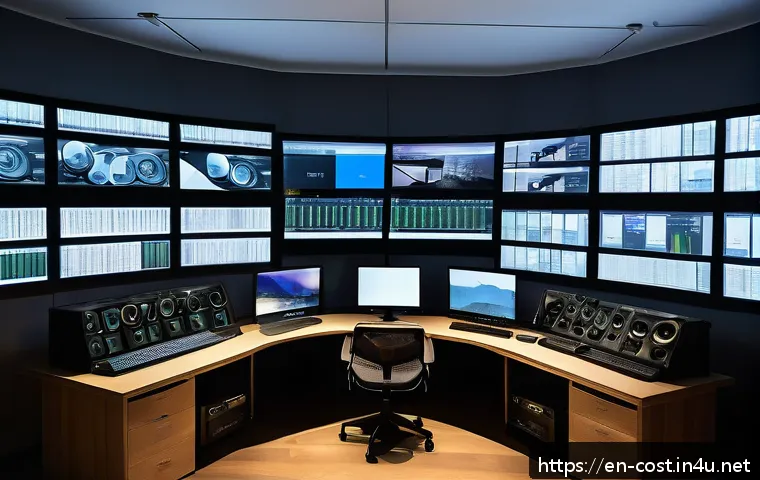
Once, a commercial shoot I was involved in was delayed by rain, doubling the rental and labor costs. Planning realistic schedules with built-in buffers and contingency days is essential to control budget creep.
Efficient Workflow to Reduce Expenses
Streamlining production processes—such as pre-visualization, clear shot lists, and effective communication—can cut down shoot times and post-production hours.
I’ve noticed that detailed planning meetings and rehearsals lead to fewer retakes and faster editing. Implementing project management tools and fostering collaboration keeps everyone on track and reduces costly misunderstandings.
Impact of Revisions and Client Feedback
Multiple rounds of client feedback and revisions in post-production can inflate budgets unexpectedly. Setting clear expectations on the number of revisions allowed and including additional rounds as extra costs helps maintain control.
From experience, upfront agreements on creative direction minimize back-and-forth and help finalize the project smoothly without budget surprises.
Understanding Industry Standard Pricing
Average Costs by Project Type
Video production costs vary widely depending on project type—corporate videos, commercials, social media clips, or documentaries all have different budget ranges.
For example, a 2-minute corporate video might cost between $5,000 and $20,000, while high-end commercials easily surpass $100,000. Knowing these benchmarks helps set realistic expectations and negotiate effectively.
Typical Budget Breakdown
A general rule of thumb is to allocate budgets roughly as follows: 30% to pre-production, 40% to production (crew, equipment, locations), and 30% to post-production.
Of course, these ratios shift depending on project scope and complexity. Here’s a quick reference table summarizing typical costs for mid-range video projects:
| Category | Estimated Percentage of Total Budget | Typical Cost Range (USD) |
|---|---|---|
| Pre-Production (Planning, Script, Casting) | 25-35% | $1,000 – $7,000 |
| Production (Crew, Equipment, Locations) | 40-50% | $2,000 – $12,000 |
| Post-Production (Editing, Effects, Sound) | 20-30% | $1,000 – $6,000 |
| Contingency (Unexpected Costs) | 5-10% | $500 – $2,000 |
Negotiating Rates and Packages
Many production companies offer tiered packages or custom quotes depending on client needs. It’s beneficial to get multiple bids and understand what’s included or excluded.
Negotiation can sometimes secure additional services or discounts, especially if you plan repeat projects. I’ve found that transparent communication about budget constraints often leads to creative solutions without compromising quality.
Creative Choices That Affect Budget
Choosing Between Animation and Live Action
Animation and live-action videos have very different cost structures. Animation can be cost-effective for explainer videos but requires specialized skills and longer production timelines.
Live action offers realism but involves location, actors, and equipment costs. I worked on a project where combining minimal live action with motion graphics struck the perfect balance between impact and budget.
Use of Talent and Influencers
Hiring actors, voice-over artists, or influencers can elevate your video but adds fees based on their experience and market demand. Influencers may also charge for promotion on their channels, which is a separate marketing budget item.
When I collaborated with micro-influencers, the costs were manageable and the audience engagement was impressive, proving that strategic talent choices influence both costs and reach.
Incorporating Special Effects and Music
Adding special effects, CGI, or licensed music tracks enhances production value but carries additional expenses. Custom compositions or popular songs can be pricey due to licensing fees.
For one campaign, opting for royalty-free music and subtle visual effects kept the budget in check while maintaining professional quality. Creative problem-solving often helps achieve the desired impact without overspending.
Building a Flexible and Realistic Budget
Allocating Funds for Unforeseen Expenses
No matter how detailed your plan, unexpected costs will arise—equipment malfunctions, weather delays, or last-minute client requests. Setting aside a contingency fund, typically 5-10% of your total budget, provides a financial cushion that can save your project from going over budget.
I’ve learned that this buffer is a lifesaver, especially on complex shoots with many moving parts.
Regular Budget Reviews During Production
Tracking expenses in real time helps keep your project on course. Using budgeting software or spreadsheets allows you to update costs as they occur and adjust plans accordingly.
During a recent project, weekly budget meetings helped identify overspending early and enabled us to reallocate resources efficiently, preventing financial surprises at the end.
Balancing Ambition with Practicality
Finally, aligning your creative vision with your financial reality is crucial. It’s tempting to chase every flashy idea, but sometimes less is more. By focusing on core messages and audience impact, you can prioritize spending on elements that truly matter.
From personal experience, projects with clear goals and disciplined budgeting consistently deliver better ROI and client satisfaction.
In Conclusion
Understanding the intricate breakdown of creative and technical expenses is key to successful video production. Careful planning, realistic budgeting, and flexibility help avoid unexpected costs and ensure smooth project execution. Drawing from real-world experiences, prioritizing communication and contingency planning greatly enhances both quality and cost control. Ultimately, balancing creativity with practicality leads to impactful and financially sound productions.
Helpful Information to Keep in Mind
1. Always allocate a contingency fund of around 5-10% of your total budget to cover unforeseen expenses that inevitably arise during production.
2. Early and detailed pre-production planning, including scriptwriting and storyboarding, can prevent costly reshoots and delays later on.
3. Weigh the pros and cons between renting and purchasing equipment based on your project frequency and budget constraints.
4. Transparent communication with clients about revision limits and deliverables helps maintain budget discipline and avoid surprises.
5. Building strong relationships with trusted freelancers or agencies can improve reliability and reduce the impact of labor shortages.
Key Takeaways
Budgeting for video production demands a comprehensive approach that includes creative development, technical needs, labor, and logistics. Prioritize realistic scheduling to avoid costly overtime and delays. Understand industry pricing standards to set expectations and negotiate effectively. Lastly, striking the right balance between ambition and practicality ensures projects stay on track financially while achieving creative goals. Consistent budget reviews and contingency planning are essential tools for navigating the complexities of production costs.
Frequently Asked Questions (FAQ) 📖
Q: uestions about Video Production CostsQ1: What are the main factors that determine the cost of video production?
A: Several key elements drive video production costs, including the complexity of the project, equipment needs, crew size, location fees, and post-production work.
For example, a simple talking-head video requires minimal gear and a small team, keeping costs low. However, adding professional lighting, multiple camera setups, actors, or special effects can quickly increase expenses.
Labor rates also vary depending on experience and region, so hiring seasoned professionals often costs more but usually ensures higher quality. Knowing these factors upfront helps you allocate your budget realistically and avoid surprises.
Q: How have rising equipment prices and labor shortages impacted video production budgets recently?
A: Recently, the cost of cameras, lighting, and audio equipment has climbed due to supply chain disruptions and increased demand, which directly affects rental or purchase prices.
At the same time, labor shortages mean experienced videographers, editors, and other specialists can command higher fees because they’re in short supply.
From my own experience working on projects last year, these factors pushed budgets up by 15-30% compared to previous years. It’s essential to plan for these increases early and consider alternatives like renting equipment or hiring emerging talent to balance quality and cost.
Q: What strategies can small businesses use to manage video production costs effectively?
A: Small businesses can save money by clearly defining their video goals and scope before production starts. Prioritize what’s essential—like a strong script and good sound quality—over flashy effects that may not add value.
Consider shooting in one location to cut down on travel and setup time, and use a smaller, versatile crew. Also, leveraging freelancers or local talent can be budget-friendly while still delivering professional results.
From what I’ve seen, investing time in pre-production planning pays off by minimizing costly reshoots and ensuring everyone is aligned on expectations.