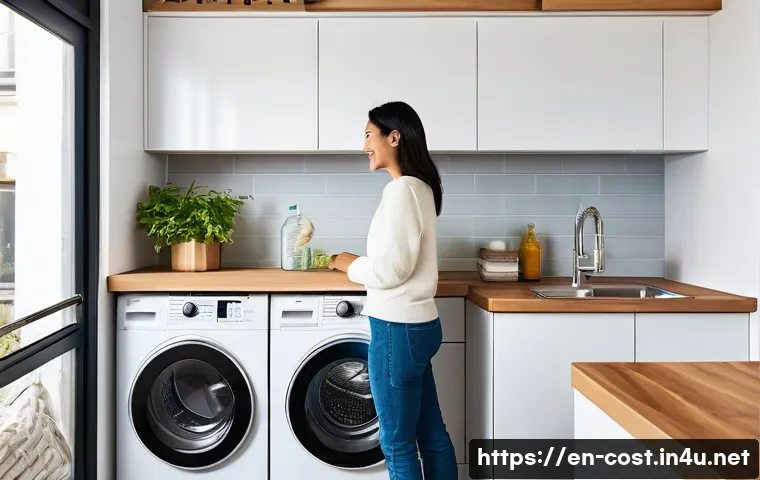
Welcoming a little one into the family brings endless joy, but it also comes with a surprising price tag. From cribs and strollers to diapers and feeding essentials, the costs can quickly add up, catching many new parents off guard.
Budgeting wisely and understanding where to invest can make a huge difference in managing expenses without compromising on quality. Over the years, I’ve learned that a bit of research and smart shopping can ease the financial stress while still providing the best for your baby.
Let’s dive deeper and uncover the real costs involved in baby gear so you can plan with confidence. Stick around, and I’ll walk you through it all!
Essential Baby Gear: Prioritizing Quality Without Breaking the Bank
Cribs and Sleeping Arrangements: Safety First, Then Style
Choosing a crib is often the first big purchase new parents face, and honestly, it can be overwhelming. From my own experience, I learned that safety certifications should always top your checklist.
Many cribs come with sleek designs and convertible features, but these extras often hike up the price. I found that investing in a sturdy, non-toxic crib with a reliable mattress made all the difference for peace of mind.
Avoiding trendy but unproven options helped me save money without compromising safety. If you’re tight on budget, consider a second-hand crib from trusted sources, but always double-check for recalls and wear.
Sleep sacks and swaddles are affordable accessories that also improve your baby’s sleep quality without costing much.
Strollers and Car Seats: Balancing Convenience and Durability
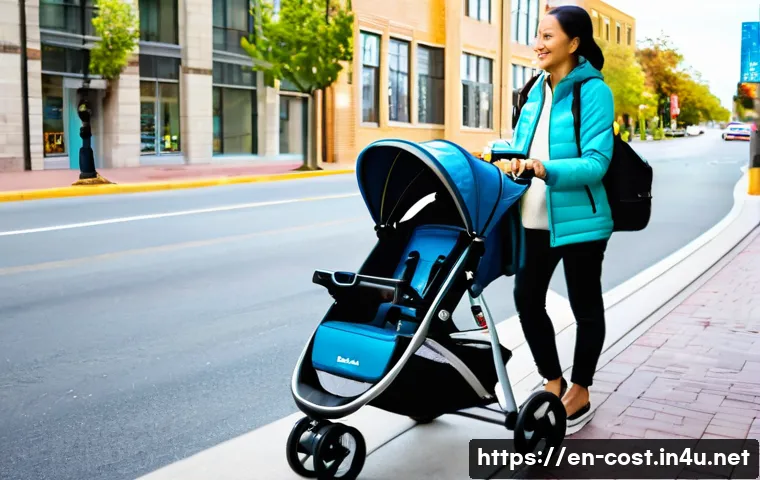
When it comes to strollers and car seats, I quickly realized that it’s not just about looks or brand names. The ease of folding, maneuverability, and compatibility with your car are crucial factors.
I personally spent hours comparing models before settling on one that offered excellent safety ratings and grew with my child. Car seats can be pricey, but they’re non-negotiable for safety.
What helped me was finding travel systems that bundle a stroller and car seat, often at a better price than buying separately. If you plan on using public transportation or walking a lot, a lightweight stroller might be worth the extra investment.
Don’t forget, some states offer rebates or assistance programs for these essential items, so it’s worth checking local resources.
Feeding Essentials: Navigating Bottles, Breast Pumps, and More
Feeding gear can be a rabbit hole of expenses, especially if you’re unsure what you’ll need. For breastfeeding moms, a reliable pump can cost a few hundred dollars, but it’s a game-changer for flexibility and comfort.
I found that renting a hospital-grade pump initially helped me save money while figuring out what worked best. Bottles come in countless styles, but sticking to widely recommended brands helped avoid leaks and frustrations.
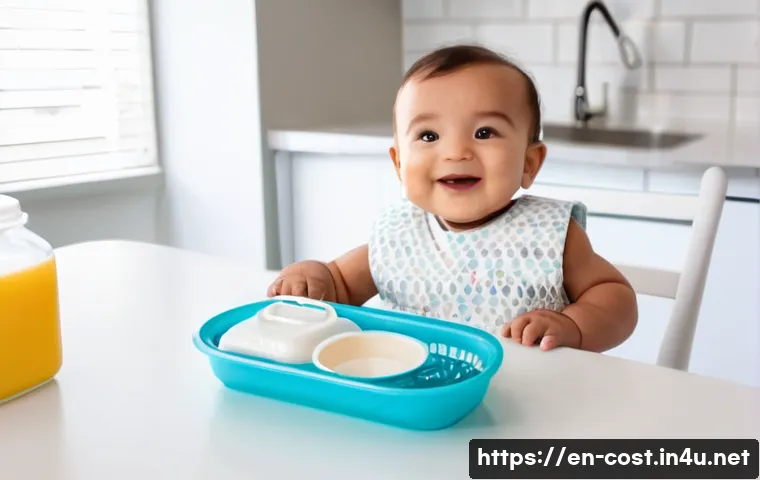
Formula feeding parents should budget for bottles, formula, and cleaning supplies, which add up quickly. Pro tip: bulk-buying formula and reusable accessories often lowers costs over time.
Nursing pillows and bibs are affordable extras that can ease the feeding routine and are worth the small investment.
Clothing and Diapering: Smart Choices for Everyday Essentials
Building a Functional Baby Wardrobe
Baby clothes seem endless in variety, but I learned that sticking to basics is the smartest way to go. Soft onesies, sleepers, and a few weather-appropriate layers form the core of what your baby will actually wear daily.
Fancy outfits are cute, but babies outgrow them faster than you can imagine. I preferred buying mix-and-match pieces that can handle frequent washing and still look fresh.
Thrift stores and online marketplaces were treasure troves for gently used clothes, saving me hundreds of dollars. Seasonal sales are another goldmine; stocking up on next season’s sizes during discounts paid off big time.
Diapering Costs: Cloth vs. Disposable
Diapers are one of the largest ongoing expenses, and choosing between cloth and disposable depends on your lifestyle and preferences. Disposable diapers are super convenient but add up quickly, especially in the first year.
I found that signing up for subscription services helped me save money and ensured I never ran out. Cloth diapers require more upfront investment and washing effort, but they’re eco-friendly and can reduce costs long-term.
There’s also a hybrid approach—using disposables when out and about and cloth at home—which worked well for me during busy days. Don’t forget to budget for wipes, rash creams, and diaper pails, all of which add to the total.
Table: Average Cost Breakdown of Baby Clothing and Diapering Supplies
| Item | Estimated Cost (First Year) | Notes |
|---|---|---|
| Basic Clothing (onesies, sleepers, socks) | $300 – $500 | Mix of new and second-hand items |
| Seasonal Outerwear | $100 – $200 | Depends on climate and sales |
| Disposable Diapers | $700 – $1,000 | Varies by brand and usage |
| Cloth Diapers (Initial Investment) | $300 – $600 | Reusable, includes accessories |
| Wipes and Creams | $150 – $250 | Ongoing monthly expense |
Health and Hygiene: Investing in Baby’s Wellbeing
Bathing Supplies and Skincare Products
Keeping your baby clean and comfortable is a daily routine that requires some thoughtful purchases. I discovered that gentle, fragrance-free soaps and shampoos are worth the slightly higher price because they prevent irritation and dryness.
A baby bathtub or a simple sink insert made bath time easier and safer in our home. Towels with hoods and soft washcloths are inexpensive but make a big difference in comfort.
Don’t skimp on nail clippers and thermometers—those tiny tools matter more than you’d think for safety and peace of mind. Brands focused on hypoallergenic ingredients helped me avoid skin issues that some of my friends struggled with.
Medical Essentials and Safety Gear
A well-stocked baby first aid kit is a must-have, including things like nasal aspirators, baby-safe pain relievers, and fever thermometers. I kept mine handy and updated as my baby grew, which saved me unnecessary emergency visits.
Baby monitors vary widely in cost and features; I went for a mid-range model with good reviews for sound and video quality, which gave me confidence without a huge price tag.
Outlet covers, cabinet locks, and corner guards are small investments that prevent accidents once your little one starts exploring. These safety items may seem minor but are priceless for peace of mind.
Travel and On-the-Go Must-Haves
Portable Solutions for Busy Families
Traveling with a baby introduces a new layer of complexity and expense, but planning ahead can ease the burden. I found that compact, foldable travel cribs and lightweight strollers are worth every penny for their convenience.
Diaper bags with multiple compartments and insulated bottle holders made outings smoother. Car seat travel bags protected our investment during flights and trips.
I also learned that packing a portable changing pad and sanitizing wipes can save you from scrambling in public restrooms. For frequent travelers, investing in a baby carrier was a game-changer, allowing hands-free movement while keeping baby close.
Budgeting Tips for Travel Gear
Buying travel gear second-hand or borrowing from friends can cut costs significantly. Many families upgrade gear as babies grow, so you can often find great deals on barely used items.
Renting some bulky items for vacations also worked for us, especially for short trips. Remember to check airline policies on baby gear to avoid unexpected fees.
Planning purchases around holiday sales or using cashback offers maximized my budget, letting me get quality gear without overspending.
Nursery Decor and Extras: Creating a Comfortable Space
Functional and Cozy Nursery Setup
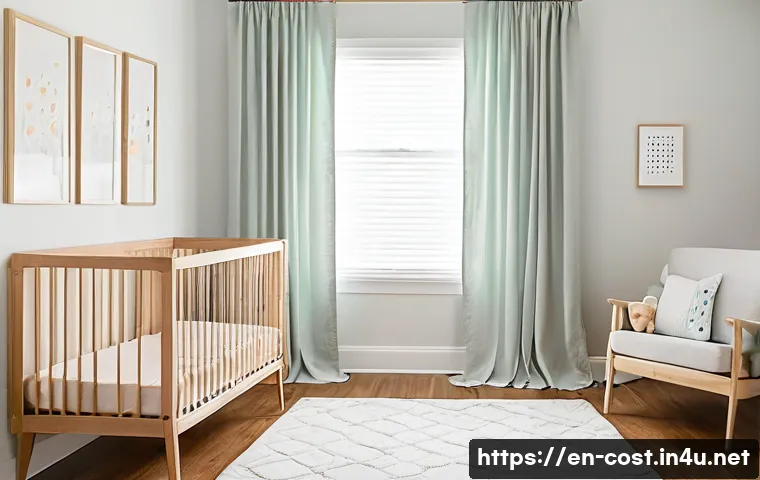
Creating a nursery that’s both beautiful and practical doesn’t have to drain your wallet. I focused on multi-purpose furniture, like dressers doubling as changing tables, which saved space and money.
Soft lighting and blackout curtains helped regulate baby’s sleep, which was a total game-changer for nap time. Wall decals and DIY decorations added charm without the high cost of elaborate décor.
I also learned that investing in a good air purifier improved air quality and eased my worries about allergies.
Organizational Tools That Make Life Easier
Keeping baby’s things organized from day one helped me avoid clutter and stress. Drawer dividers, labeled bins, and hanging organizers may seem small but significantly improved daily routines.
These tools are relatively inexpensive and pay off by saving time and frustration. I found that rotating toys and clothes seasonally also kept the nursery manageable.
Investing in a good laundry hamper and diaper disposal system made chores less daunting, letting me focus more on quality time with my little one.
Technology and Apps: Modern Parenting Helpers
Smart Devices That Support Baby Care
Technology has transformed parenting in amazing ways, though it can be tempting to overspend on every new gadget. I prioritized devices that genuinely added convenience, like a reliable baby monitor with app integration and a smart thermometer.
Some apps track feeding, sleep, and diaper changes, which helped me notice patterns and communicate better with our pediatrician. While not essential, these tools reduced anxiety and gave me a sense of control during those early, overwhelming months.
Free and Low-Cost Digital Resources
Don’t overlook free apps and online communities that provide support, education, and tracking without extra costs. I found local parenting groups on social media invaluable for advice and second-hand gear recommendations.
Many libraries offer free access to parenting books and classes that helped me feel more confident. Using digital coupons and cashback apps also stretched my budget when buying essentials.
Balancing tech use with real-world connection was key for me, keeping parenting manageable and joyful.
글을 마치며
Choosing the right baby gear doesn’t have to drain your wallet if you focus on quality and practicality. From cribs to tech gadgets, prioritizing safety and functionality ensures peace of mind without overspending. My own journey taught me that smart shopping, second-hand finds, and thoughtful budgeting make parenting smoother and more enjoyable. Remember, investing in essentials wisely lays a strong foundation for your baby’s comfort and your family’s happiness.
알아두면 쓸모 있는 정보
1. Always check for safety certifications and recalls before buying second-hand baby gear to protect your little one from potential hazards.
2. Combining stroller and car seat purchases into travel systems can often save money while ensuring compatibility and convenience.
3. Renting expensive breastfeeding equipment like hospital-grade pumps can be a cost-effective way to try before committing to a purchase.
4. Subscription services for diapers and formula can help maintain a steady supply and often come with discounts or perks.
5. Utilizing local parenting groups and free digital resources provides valuable advice and access to gently used items, helping stretch your budget.
중요 사항 정리
Invest in baby essentials that balance safety and practicality without chasing trends or luxury brands. Prioritize certified, durable products, and consider second-hand or rental options to reduce upfront costs. Smart budgeting includes leveraging bundles, subscription plans, and seasonal sales. Don’t underestimate the value of organizational tools and simple technology to ease daily routines. Above all, thoughtful choices tailored to your lifestyle make parenting more manageable and joyful while protecting your family’s well-being.
Frequently Asked Questions (FAQ) 📖
Q: What are the biggest expenses new parents should expect when preparing for a baby?
A: The major costs typically include a crib or bassinet, stroller, car seat, diapers, and feeding supplies like bottles or breastfeeding accessories. These items can quickly add up, especially when opting for higher-end brands or specialized gear.
From my experience, investing in a good-quality car seat and a reliable stroller early on is wise because they’ll be used daily and can last for years.
Diapers, on the other hand, become a recurring expense, so buying in bulk or using subscription services can help manage costs better.
Q: How can new parents save money on baby essentials without sacrificing quality?
A: One of the best ways to save money is by researching and comparing prices across multiple stores or online platforms before making a purchase. I’ve found that gently used items, especially for things like clothes, toys, or even some gear, can be a great option if they’re in good condition.
Another tip is to prioritize what you really need right away versus what can wait—sometimes less is more. Also, signing up for parenting groups or forums often leads to great recommendations and even hand-me-downs from experienced parents.
Q: Is it better to buy all new baby gear or consider secondhand options?
A: Honestly, it depends on the item and your comfort level. Some things, like cribs and car seats, should meet current safety standards, so buying new or certified refurbished ones is safer.
But for items like clothes, toys, or books, secondhand is perfectly fine and can save a ton of money. From what I’ve seen, mixing both approaches works best—buy new when it matters most for safety and hygiene, and go secondhand for everything else.
This balance helped me provide quality gear for my baby without breaking the bank.