Hey everyone! In a world that feels like it’s constantly buzzing, keeping our homes safe and sound has become more than just a preference – it’s a necessity.
I know exactly what’s running through your mind, because honestly, it’s the first thing I consider too when thinking about upgrading my own home security: “What’s this going to cost me?” Navigating the options for home CCTV installation can honestly feel a bit like trying to solve a puzzle with missing pieces, from those super-simple doorbell cams you can slap on yourself to robust, multi-camera setups that might need a pro’s touch.
We’re not just talking about the camera hardware anymore; there are crucial considerations like ongoing subscription fees for cloud storage, advanced AI features that promise to tell the difference between your neighbor’s cat and an actual intruder, and that constant tug-of-war between the convenience of wireless systems and the ironclad reliability of wired ones.
Based on my own deep dives and countless hours spent figuring out the best bang for my buck, I can tell you that finding that sweet spot between ultimate peace of mind and your budget is a journey many of us are on.
It’s a significant decision, but one that truly empowers you when you’ve got all the right information. Let’s dive in and uncover exactly what you can expect, so you can make the smartest choice for your sanctuary.
Deciphering the Dollar Signs: What Really Goes into Your CCTV Budget
Okay, let’s get real about what you’re actually looking at when it comes to the cost of a home CCTV system. I remember when I first started looking into this, I was so overwhelmed by the numbers thrown around. It felt like I needed a degree in finance just to figure out what was what! The truth is, the average cost for a security camera installation can vary wildly, generally ranging from about $594 to over $2,000 for a complete system here in the US. But honestly, that’s just a starting point, a broad brushstroke. For a more modest setup with just a couple of cameras, I’ve seen total expenses dip as low as $400, which is fantastic for apartment dwellers or smaller homes. Conversely, if you’re like me, living in a larger family home and wanting comprehensive coverage, you could easily be looking at anywhere from $600 to $1,500 for a standard four-camera system, including installation. And trust me, once you start adding more cameras for a bigger property, say eight or more, those costs can definitely creep up past $2,000, sometimes even significantly more. It’s truly a spectrum, and understanding what pushes those numbers up or pulls them down is key.
The Core Investment: Camera Hardware Costs
This is where your initial choices really start to make a difference. The cameras themselves typically run anywhere from $100 to $500 each, and that’s before anyone even lifts a screwdriver. What drives this cost, you ask? Well, it boils down to features. Are you looking for basic 1080p resolution, or do you want crisp 4K footage that lets you zoom in on every detail? Do you need advanced night vision that can see in full color, or are standard infrared capabilities enough? My personal experience has taught me that investing a little more upfront in higher resolution cameras, especially for critical outdoor areas like your front door or driveway, is absolutely worth it. Identifying a face or a license plate in a grainy image is practically impossible, and that defeats the whole purpose, doesn’t it? Cameras with advanced features like motion detection, PTZ (pan-tilt-zoom) capabilities, and even smart deterrence can push the price per camera up, but they also bring a whole new level of security and peace of mind.
Installation Labor: The Hands-On Expense
After you’ve picked out your cameras, you’ve got to consider getting them properly installed. This isn’t always as simple as just mounting them on a wall. Professional installation labor costs usually fall between $80 to $200 per camera. This range accounts for the complexity of the job. Are we talking about easily accessible outdoor spots, or does it involve intricate wiring through walls and ceilings in a multi-story home? From my perspective, while DIY might save you some cash on the labor, there’s a certain reassurance that comes with knowing a professional has ensured everything is correctly configured, securely mounted, and properly integrated. They often determine the most crucial areas to monitor, set up your recording devices, and make sure the whole system is working flawlessly. This can prevent headaches down the line, believe me.
Wired Wonders vs. Wireless Whispers: The Great Connectivity Debate
When you’re trying to figure out your home security setup, one of the biggest forks in the road you’ll face is choosing between wired and wireless systems. It’s not just about aesthetics; it profoundly impacts installation complexity, reliability, and ultimately, your wallet. I’ve heard so many people agonize over this, and I totally get it. Both options have their unique charms and challenges, and what works best really depends on your specific home and lifestyle. For me, the decision came down to a blend of reliability and flexibility, and I found myself leaning one way for some areas of my home and another for others. It’s not always an either/or situation, and that’s a beautiful thing.
The Dependability of Wired Systems
Wired security cameras, to put it simply, are the workhorses of home surveillance. They connect to your internet and power source via cables, which means they are incredibly dependable. There’s something reassuring about that constant, unwavering connection, knowing that your video feed isn’t going to suddenly drop because of Wi-Fi interference or a dead battery. My own experience with wired cameras, particularly for critical outdoor areas, has been nothing but solid. The video quality tends to be superior and more consistent because it’s not battling signal strength issues. However, this robustness comes with a trade-off: installation is usually more involved and, consequently, more expensive. We’re talking about running cables through walls and ceilings, which often requires professional help. A basic four-camera wired system, including installation, can start around $800 to $1,500. But for that cost, you get an incredibly secure and reliable system that’s much harder to hack remotely.
The Flexibility of Wireless Alternatives
On the flip side, wireless cameras are all about convenience and flexibility, and they’ve definitely come a long way. They connect to your home’s Wi-Fi network and are often battery or solar-powered, which drastically simplifies installation. I’ve installed a few wireless cameras myself, and I can tell you, it’s often a DIY dream – just mount them, connect to Wi-Fi, and you’re good to go! This makes them perfect for renters, smaller homes, or if you just want the option to move your cameras around easily. While the cameras themselves might sometimes be pricier than their wired counterparts, the savings on installation labor can make the overall upfront cost lower. However, reliability can be a concern. A strong, consistent Wi-Fi signal is essential, and things like thick walls or distance from your router can cause connectivity issues. Also, battery-powered wireless cameras mean you’ll be dealing with recharging or replacing batteries, which is a small but ongoing chore.
| Feature | Wired Cameras | Wireless Cameras |
|---|---|---|
| Initial Camera Cost (per unit) | $100 – $500 | $50 – $250 |
| Installation Difficulty | High (often professional) | Low (often DIY) |
| Labor Cost (per camera) | $80 – $200 (professional) | Minimal (DIY) or $80 – $200 (professional) |
| Reliability | Very Stable | Dependent on Wi-Fi signal |
| Video Quality | Consistent, often higher resolution | Can vary with signal strength |
| Power Source | Electrical wiring | Battery, solar, or plug-in |
| Flexibility/Portability | Fixed position | Easy to move/reposition |
| Security Against Hacking | More difficult to hack remotely | More vulnerable on the network |
Beyond the Lens: The Hidden Costs of Cloud, Storage, and Smart Features
Alright, so you’ve got your cameras picked out and decided on wired or wireless. You might think you’re almost done budgeting, right? Wrong! This is where many people, myself included, have been surprised by what I like to call the “hidden costs.” These are the recurring fees and additional expenses that often pop up after the initial installation, and they can significantly impact the long-term affordability of your system. It’s not just about the hardware; it’s about what makes that hardware truly smart and useful in your day-to-day life. Believe me, overlooking these can lead to some serious budget shocks down the line, and nobody wants that!
Navigating Cloud Storage Subscriptions
Most modern security cameras, especially wireless ones, offer cloud storage for your video footage. While some basic plans might offer a few days of storage for free, if you want anything substantial – like 30, 60, or even 180 days of video history – you’re typically looking at a monthly subscription. These plans can range from a few dollars, say $3-$5 per camera per month for entry-level options with short storage durations, all the way up to $10-$20 or more per month for multiple cameras, higher resolution support, and longer retention periods. My personal take? If you’re going to rely on your cameras for actual security, a robust cloud storage plan is practically a must-have. Without it, you might miss crucial footage if your local storage is compromised or limited. Services like Ring Protect, Nest Aware, Arlo Secure, and Blink Plus all offer different tiers with varying features and costs. It’s essential to compare these, as some offer unlimited cameras for a flat fee, while others charge per device, which can really add up if you have a larger setup.
The Allure and Expense of Advanced Features
Beyond basic recording, today’s security cameras are packed with “smart” features that can make a huge difference in their effectiveness – but they often come at a premium, either in the camera’s initial price or via subscription. We’re talking about things like advanced AI detection that can tell the difference between a person, a package, a pet, or a vehicle. Or how about activity zones that only alert you when motion is detected in a specific area, rather than every time a leaf blows by? These features are game-changers, reducing false alarms and making your system genuinely useful. My experience with these smart alerts has been incredibly positive; it means I only get notifications for things that truly matter, avoiding constant interruptions. Some cameras, like those from eufy or certain Reolink models, even offer these advanced AI features and local storage without requiring ongoing monthly fees, which is a fantastic money-saving option if you’re trying to keep recurring costs down.
DIY or Die? Weighing the Pros and Cons of Professional Installation
When it comes to setting up your home security cameras, you’re faced with a pretty big decision right at the start: Are you going to tackle this yourself, or are you going to call in the pros? I’ve gone both routes over the years, and honestly, each has its own unique set of advantages and challenges. It’s not just about saving a few bucks; it’s about your comfort level with technology, how much time you have, and ultimately, how much peace of mind you want from your system. There’s no one-size-fits-all answer, and I’ve learned that the hard way sometimes!
Embracing the DIY Approach
If you’re handy, have some technical know-how, and enjoy a good project, then DIY installation can be incredibly appealing. The biggest draw, without a doubt, is the cost savings. By doing it yourself, you can potentially save 40-60% on the total project cost, primarily by cutting out those professional labor fees that can be $80-$200 per camera. For simple wireless cameras, especially indoor ones or doorbell cams, I’ve found that installation is often a breeze. Many of these systems are designed for easy setup, sometimes just requiring a few screws and a Wi-Fi connection. This flexibility also means you can customize the placement exactly how you want it and reposition cameras if your needs change. It gives you a real sense of accomplishment, too! However, be prepared to invest your own time and be comfortable with things like setting up network video recorders (NVRs) or digital video recorders (DVRs) if you’re going for a more complex local storage system. My advice? Start with a simple wireless system if you’re new to DIY security – it’s a great way to dip your toes in without getting overwhelmed.
The Advantages of Professional Hands
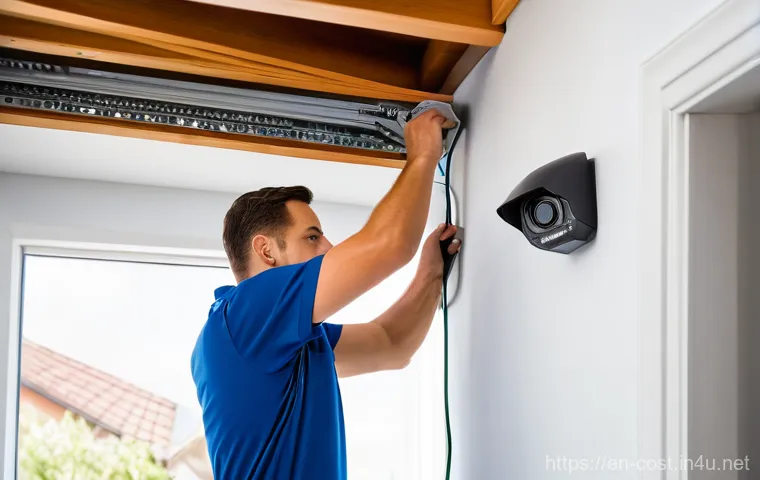
Now, if the thought of running cables, configuring networks, and troubleshooting technical glitches makes you break out in a cold sweat, then professional installation is absolutely the way to go. While it adds to the upfront cost, typically ranging from $100-$200 per camera in labor, the benefits can far outweigh the expense for many homeowners. Professionals bring a level of expertise and efficiency that’s hard to match. They know the best camera placements for optimal coverage, how to discreetly run wires, and how to integrate all your components seamlessly. I’ve seen firsthand how a poorly installed system can create frustrating blind spots or connectivity issues, undermining the entire purpose of having cameras. Plus, professional installation often comes with warranties and ongoing support, which is invaluable if something goes wrong. It’s essentially buying peace of mind, knowing that your security system is set up correctly and functioning at its peak. For wired systems, especially, where drilling and electrical work might be involved, I would almost always recommend a pro.
Future-Proofing Your Fortress: Understanding Maintenance and Upgrades
Let’s be honest, getting your CCTV system installed is just the beginning of your security journey. Much like owning a car, these systems need ongoing care and attention to ensure they’re always performing at their best. I’ve learned that overlooking maintenance can lead to unexpected headaches and costs down the road, and who wants to deal with a non-functioning camera when you really need it? Thinking about the long game, including future upgrades, is a smart move that can save you a lot of grief and money in the long run. It’s all about proactive protection, not just reactive fixes.
The Reality of Ongoing Maintenance Costs
Even the highest-quality security cameras and installations aren’t set-it-and-forget-it propositions. Just like any technology, they can degrade over time, cables can fray, lenses can get dirty, and software can become outdated. Regular maintenance is crucial to ensuring reliability. You’re typically looking at annual maintenance costs starting from around $100, though this can vary depending on the complexity of your system and the number of cameras. Some sources suggest budgeting $100-$200 annually per camera for comprehensive checks, cleaning, and updates. If you opt for an annual maintenance plan with a security company, service trips often start at about $250 per site. This might include things like checking connections, cleaning lenses, verifying recording functionality, and ensuring software is up-to-date. In my own experience, a small investment in regular upkeep has prevented much larger, more expensive repairs down the line. It’s like getting an oil change for your car – seems small, but it prevents major engine trouble.
Planning for System Longevity and Upgrades
Technology moves fast, and security cameras are no exception. What’s cutting-edge today might be standard tomorrow. When I first installed my system, 1080p was amazing, but now I find myself eyeing those crystal-clear 4K cameras! Thinking about potential upgrades is a smart way to future-proof your investment. You might want to add more cameras, upgrade to models with better night vision or AI detection, or integrate your system with other smart home devices. The good news is that many modern systems are designed to be scalable, allowing you to add components over time. Wireless systems, in particular, often offer easier upgrades since you’re not tied down by extensive wiring. When choosing your initial system, consider vendors that offer a wide range of compatible products and a clear upgrade path. This foresight can help you evolve your security setup without having to completely scrap and replace your entire system every few years.
Making Every Penny Count: Savvy Strategies for Smart Security Spending
Alright, so we’ve talked about all the different costs involved, and I know it can seem like a lot to juggle. But here’s the good news: you absolutely can create a robust home security system without emptying your bank account. It’s all about being smart with your choices, prioritizing what truly matters for your peace of mind, and finding those clever ways to get more bang for your buck. I’ve picked up a few tricks over the years that have helped me, and I’m excited to share them so you can feel empowered, not overwhelmed, by this decision.
Prioritizing Coverage and Features
One of the biggest mistakes I see people make is trying to cover every single inch of their property with the highest-end cameras right from the start. My advice? Don’t! Start by identifying your most critical areas. Think about entry points like front and back doors, ground-floor windows, and any easily accessible side areas. Also, consider valuable outdoor assets like a detached garage or a shed. For these high-priority spots, it might be worth investing in higher-resolution cameras with advanced features like motion detection and clear night vision. For less critical areas, a more basic, affordable camera might suffice, or you could even monitor them with motion-sensing floodlights instead of continuous recording. Remember, a strategically placed two-camera system that truly deters and captures crucial evidence is far more valuable than a sprawling, expensive system with blind spots or underutilized features. Build out your system incrementally if needed, adding cameras as your budget allows and as you identify new areas of concern.
Leveraging Local Storage and Smart Deals
One of the recurring costs that can really add up is cloud storage. If you’re looking to save on those monthly fees, consider systems that offer robust local storage options, such as an SD card, NVR (Network Video Recorder), or DVR (Digital Video Recorder). Many cameras now come with the option to store footage locally, and some even offer advanced AI features without a subscription if you’re using local storage. Brands like eufy and Reolink are great examples of companies that provide strong no-monthly-fee options. I personally love having a hybrid approach where I use local storage for continuous recording and a basic cloud plan for quick access to event-triggered clips. Also, keep an eye out for deals and bundles! Many security companies offer discounts on camera packages, especially around holidays or during promotional periods. Signing up for email newsletters from your favorite brands can often alert you to sales that can save you hundreds on initial equipment costs. Sometimes, signing a contract with a security monitoring service can even reduce installation costs significantly, potentially making it $100 or less, which is a fantastic saving if professional monitoring aligns with your needs.
Wrapping Things Up and Looking Ahead
Whew, we’ve covered a lot of ground today, diving deep into the often-complex world of home CCTV system costs, haven’t we? It’s truly been a journey, from understanding the nuances of camera hardware and the labor involved in installation, to uncovering those sometimes-hidden recurring fees for cloud storage and advanced features. My biggest hope is that this detailed breakdown has equipped you with the clarity and confidence to navigate your own security needs without feeling overwhelmed. Remember, the ultimate goal here isn’t just about picking out some cameras; it’s about making informed choices that provide genuine, long-lasting peace of mind for you and your family. It’s about building a robust, reliable shield for your home, ensuring that you’re prepared for whatever life throws your way, and doing so in a way that truly respects your budget. Take these insights, apply them to your unique situation, and embark on your home security journey feeling empowered, rather than puzzled.
Handy Tips You’ll Wish You Knew Sooner
Embarking on your home security journey is an exciting step, and with a little foresight, you can maximize both your safety and your savings. Here are some invaluable nuggets of wisdom I’ve picked up over my years of tinkering with and researching home surveillance:
1. Always Check Local Regulations and HOA Rules: Before you even think about mounting that first camera, take a moment to understand any local privacy laws, neighborhood association guidelines, or even city ordinances that might impact outdoor camera placement, recording, or data retention. A quick check can save you from potential disputes or legal headaches down the line, ensuring your security measures are compliant and respectful of your community.
2. Prioritize Quality Warranties and Guarantees: Don’t underestimate the power of a solid manufacturer’s warranty on your camera hardware and, if you go the professional route, an installer’s guarantee on their labor. These protections are invaluable, safeguarding your investment against defects, malfunctions, or installation errors. A good warranty means peace of mind, knowing that if something goes wrong, you’re covered without incurring unexpected repair or replacement costs.
3. Think Scalability from the Start: While you might begin with a basic two-camera setup, consider whether your chosen system allows for easy expansion. Technology evolves, and your needs might too. Opting for a system that can readily integrate additional cameras, upgraded features, or even different types of smart home devices in the future ensures that your initial investment remains relevant and adaptable without requiring a complete overhaul.
4. Actively Seek Out Bundle Deals and Promotions: Patience and keen observation can truly pay off here. Many reputable security brands and service providers frequently offer attractive bundle deals on multi-camera kits, especially during holiday seasons or special sales events. Subscribing to email newsletters from your favorite brands can often give you a heads-up on these promotions, potentially saving you hundreds of dollars on initial equipment costs or even reducing professional installation fees.
5. Implement a Routine Testing Schedule: Even the most sophisticated and perfectly installed CCTV system isn’t a “set-it-and-forget-it” solution. Make it a habit to regularly test your cameras, review footage, and ensure alerts are functioning correctly—perhaps once a month or every few weeks. This proactive approach can help you identify and rectify minor issues, such as a dirty lens or a loose connection, before they escalate into critical failures when you most need your system to perform.
Key Takeaways for a Smarter, Safer Home
To wrap things up, remember that building an effective home security system doesn’t have to break the bank, but it does require thoughtful planning and a clear understanding of where your money is going. Always consider the three core pillars of cost: the cameras themselves, the installation labor (whether DIY or professional), and any recurring fees for cloud storage or premium features. Prioritize covering your most vulnerable areas with the right camera features, and don’t hesitate to mix and match wired and wireless solutions for optimal coverage and flexibility. By embracing smart shopping strategies, leveraging local storage options where possible, and taking advantage of professional expertise when needed, you can craft a robust, reliable security fortress for your home that truly brings you peace of mind without any financial surprises. Stay safe out there!
Frequently Asked Questions (FAQ) 📖
Q: What’s the real cost of home CCTV installation, beyond just the cameras?
A: Oh, this is such a common question, and honestly, it’s the first thing that comes to my mind too when I’m eyeing new tech for my place! It’s super important to remember that the “cost” of a home CCTV system goes way beyond just the price tag on the camera itself.
From what I’ve seen in my own deep dives and chats with folks who’ve recently installed systems, you’re usually looking at an average cost somewhere between $1,000 to $1,500 for a decent 3-4 camera setup, including installation.
But that’s just an average, right? Let me break it down for you. First, you have the camera hardware itself.
Basic indoor Wi-Fi cameras might set you back as little as $20-$50 each, but if you’re like me and want those crisp 4K outdoor cameras with all the bells and whistles, you could easily be spending $200-$500 or even more per camera.
The quality of video, night vision, and smart features like AI detection (that can tell the difference between your neighbor’s cat and an actual intruder!) all factor into this.
Then comes the installation. If you’re tackling it yourself, that cost is zero, but if you’re bringing in a pro (which, let’s be honest, can save a lot of headaches, especially for wired systems), labor can account for a significant chunk, often 50% to 70% of the total budget.
Expect to pay anywhere from $80 to $200 per camera for professional installation, depending on how complex the wiring is and where you want those cameras placed.
Adding an NVR or DVR (that’s your local recording device) might be another $168 for installation. And don’t forget those often-overlooked expenses! Things like extra wiring for long distances, an LCD monitor to view your feeds, or even activation fees can pop up.
Lastly, there are the ongoing costs – we’re talking about those monthly subscription fees for cloud storage and advanced AI features, which we’ll dive into more in Q3.
So, when you’re budgeting, think about the whole picture, not just the initial purchase!
Q: Should I go DIY or hire a professional for my home security camera setup?
A: This is a dilemma I’ve personally wrestled with for so many home projects, and honestly, there’s no single “right” answer for everyone when it comes to home security cameras.
It truly boils down to your comfort level, budget, and how extensive you want your system to be. Going the DIY route definitely has its perks. The most obvious one is cost savings on labor – you’re doing the work yourself, so that’s money staying in your pocket!
I’ve personally found it incredibly satisfying to set up a few wireless doorbell cams; it gives you total control over placement, and you can really customize things to your exact needs.
Plus, if you’re a bit of a tech enthusiast, it can be a great learning opportunity. Many wireless DIY kits can start around $200-$400 for basic equipment, with no installation fee.
You can even get professional monitoring as an optional add-on for many DIY systems, often for a lower monthly fee, around $20-$60. However, DIY isn’t without its challenges.
It requires a certain level of technical know-how, and if you’re dealing with a wired system, running cables through walls can be time-consuming and frankly, a bit of a headache!
Making mistakes with camera placement or system configuration can leave gaps in your security, and you won’t have that professional support or warranty that often comes with a full-service installation.
On the other hand, hiring a professional can offer immense peace of mind. They bring expertise and efficiency, ensuring your system is set up correctly, with optimal camera placement to cover all your vulnerable spots.
This can be especially valuable for more complex wired systems or larger properties. Pros often provide ongoing support and warranties, and some companies might even offer discounted or free installation if you sign up for a long-term monitoring contract.
I’ve heard from many friends that professional monitoring can sometimes even lead to discounts on homeowner’s insurance premiums, which is a nice bonus!
The downside? Professional installation means higher upfront labor costs, and you might have less flexibility in customizing the system exactly how you want it, often being tied into specific brands or contracts.
Typical professional installation can range from $100-$300 or more, and professional monitoring can be $30-$100 per month. So, if you’re comfortable with gadgets, have a simpler setup in mind, or are on a tighter budget, DIY might be your go-to.
But for comprehensive coverage, peace of mind, and expert handling of complex installations, a professional touch could be worth every penny.
Q: What’s the deal with wireless vs. wired cameras, and are those monthly subscription fees really necessary?
A: Okay, let’s tackle a big one that often comes up in my DMs – the great wireless vs. wired debate and those pesky subscription fees! I remember being so confused about this when I first started looking into home security.
First, wired vs. wireless cameras. It’s a real tug-of-war, and each has its strong points.
Wired cameras, connecting directly to your home’s electrical system and network via cables, are the champions of stability and reliability. From my experience, they offer higher video quality because they aren’t limited by Wi-Fi bandwidth, and they’re less prone to signal interference.
Plus, with a constant power supply, you don’t ever have to worry about batteries dying. They’re also generally harder for intruders to tamper with. The catch?
Installation can be a big project, often requiring drilling and running cables through walls, which can be both costly and disruptive – definitely not ideal if you’re renting.
Wireless cameras, on the other hand, are all about convenience and flexibility. You can slap those doorbell cams on yourself, connect them to your Wi-Fi, and often have them up and running in minutes.
Their portability means you can reposition them easily, which is fantastic for renters or if your needs change. However, they do rely on your home’s Wi-Fi network, which means they can be susceptible to interference, range issues, or even security vulnerabilities if your network isn’t properly secured.
And, if they’re battery-powered, you’ll need to stay on top of charging or replacing those batteries, which can be a hassle. Now, about those monthly subscription fees – are they really necessary?
This is where it gets a bit nuanced. For many camera brands, yes, they often are if you want to unlock the full potential of your system. The primary reason for these fees is cloud storage.
If an incident happens and you weren’t watching live, you’ll need those recordings safely stored off-site to review what happened or provide evidence.
Without a subscription, many cameras only give you a live view, or very limited local storage that could be lost if the camera is stolen. Beyond just storage, subscriptions often grant you access to advanced AI features.
Think about it: person, pet, and package detection, facial recognition, and smart alerts that can genuinely differentiate between a tree branch swaying and an actual intruder.
These features significantly reduce false alarms and give you more meaningful notifications. Some plans also include professional monitoring, where a team keeps an eye on your feeds 24/7 and dispatches emergency services if needed, and even extended warranties on your equipment.
The costs for these subscriptions vary wildly. You might pay as little as $3-$8 per month for basic cloud storage for a single camera or even unlimited cameras with some brands.
More comprehensive plans with professional monitoring and advanced AI features can run from $20 to $60 or more per month. However, there are options! Some brands like Eufy offer robust local storage solutions, letting you avoid monthly fees altogether for video storage.
Other companies might provide basic cloud storage for free, but you’ll usually miss out on those advanced smart features. So, while not always strictly necessary, a subscription often provides that extra layer of security, convenience, and peace of mind that many of us are looking for.